Khula's next move: How AI could reshape the future of African farming
South African agritech company Khula is positioning itself for a bigger role in the future of African agriculture, with artificial intelligence, digital finance, market access and smart farming increasingly becoming central to its strategy.
The company's latest direction suggests that the next phase of Khula's growth could be less about simply connecting farmers with agricultural products and more about creating a digital operating system for farming businesses.
Khula currently describes itself as a smart-farming platform designed to help farmers “trade smarter, fund faster, and grow bigger”. Its platform brings together farmers, traders and partners, while its inputs marketplace offers access to more than 4,000 agricultural products alongside smart recommendations, quotations and delivery services.
AI moves closer to the farm
One of the most significant areas of potential growth is artificial intelligence.
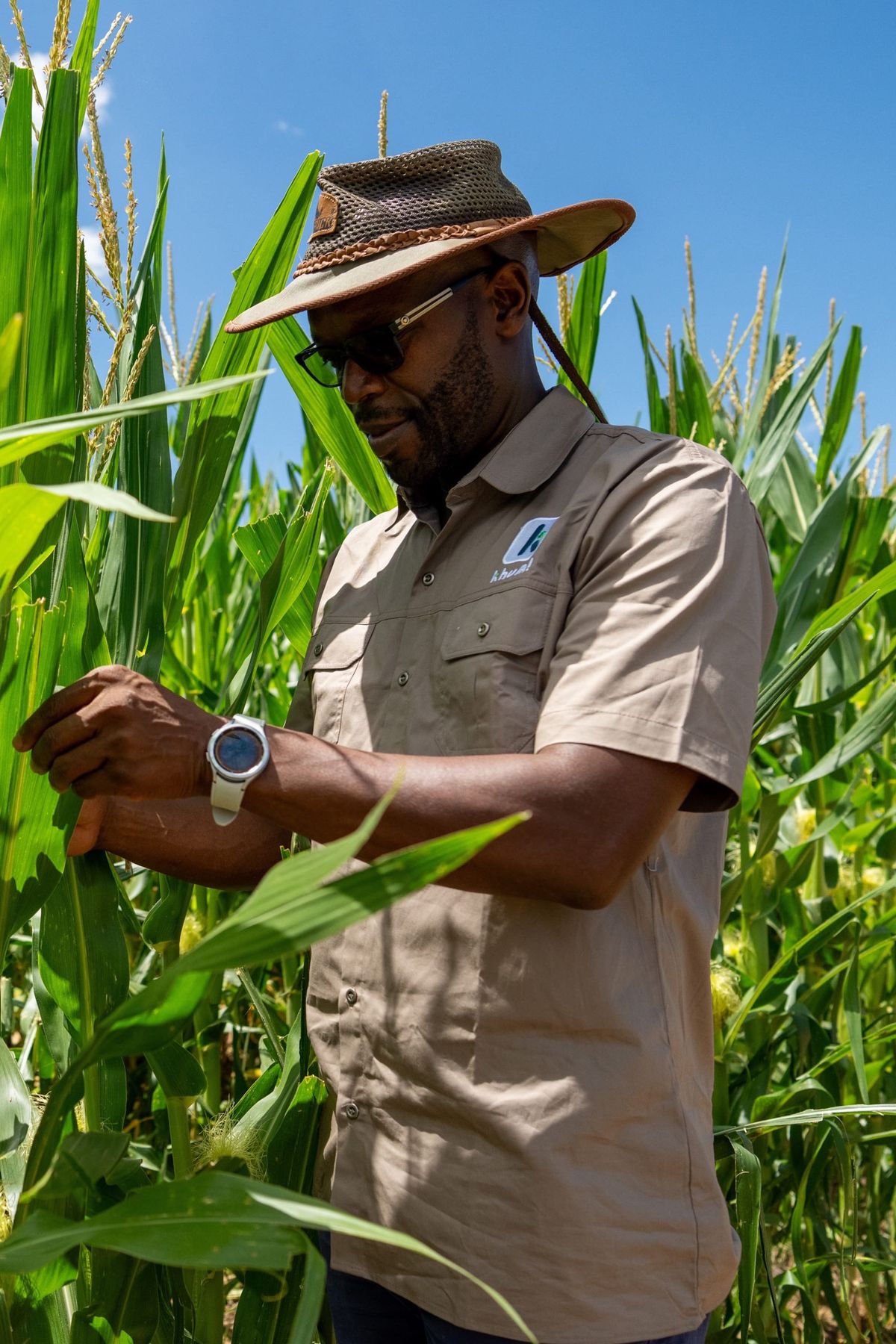
Reporting on Khula's technology shows that the company is already using AI to analyse factors such as soil conditions, weather and crop types to provide recommendations on seeds, fertiliser and pesticides. AI is also being used to help connect farmers with buyers and financing opportunities.
That creates the possibility of a future in which a farmer could use one digital platform to make decisions about what to plant, which inputs to purchase, where to sell the harvest and how to access funding.
The technology could also become increasingly important for crop-health management. Khula has been associated with AI-powered crop-disease diagnostics, an area that could become increasingly valuable as climate change alters disease and pest patterns across African agriculture.
From 50 farmers to a scalable model
The R7.5 million Bayer-Khula Farmer Accelerator, which is supporting 50 emerging farmers, provides an important testing ground for this broader model.
The programme is designed around skills development, finance readiness and access to formal markets rather than simply distributing grants.
If the accelerator can demonstrate that digital tools combined with business development can help farmers become more productive and finance-ready, the model could potentially be expanded to thousands of farmers.
That would give Khula a much larger role in agricultural transformation — moving from a technology marketplace to a platform that helps farmers build commercially sustainable enterprises.
The global ambition
Khula's ambitions are also becoming increasingly international.
A 2026 profile of founder and CEO Karidas Tshintsholo describes Khula as a rapidly growing African agritech company working with farmers, input suppliers, funders and bulk food buyers, with its sights set on global markets.
The company's R126 million Series A funding announced in 2025 was intended to help it scale its impact among South African farmers and begin work in other markets.
That makes international expansion one of the most interesting potential next chapters for the company.
For Khula, the opportunity is significant. Across Africa, farmers face many of the same structural problems — fragmented markets, limited access to finance, expensive inputs, logistics challenges and insufficient access to agricultural expertise.
A digital platform that can solve several of those problems simultaneously could potentially be adapted to different agricultural markets.
Building an agricultural data network
Perhaps the most important long-term asset Khula could build is not simply an online marketplace, but an agricultural data network.
As farmers use the platform to purchase inputs, access financing, sell crops and receive recommendations, the ecosystem can generate increasingly valuable information about farming activity.
Used responsibly, that data could help improve risk assessment, connect farmers with appropriate financial products and allow buyers to better understand supply.
For financiers, better agricultural data could potentially reduce uncertainty around emerging farmers.
For farmers, it could eventually mean faster access to finance and more personalised agricultural recommendations.
For major food companies, it could provide greater visibility over agricultural supply chains.
PepsiCo and Bayer point to a wider ecosystem
Khula's partnerships provide clues about where this model could go.
PepsiCo's Kgodiso Development Fund is among Khula's investors, alongside Absa, AECI and E Squared Investments. Khula's relationship with PepsiCo also creates an important connection between technology, emerging farmers and a major food buyer.
The Bayer partnership adds another component — agricultural science, farmer development and technology.
Together, these relationships point towards an ecosystem in which technology companies, financiers, input suppliers, global food companies and farmers increasingly operate through connected digital platforms.
The next big test
Khula's future success will ultimately depend on whether it can turn technology into measurable improvements in farmers' incomes and productivity.
The company's challenge now is to demonstrate that AI recommendations, digital marketplaces, finance connections and market access can work together at scale.
The Bayer accelerator's 50 farmers could become an important early demonstration of that model.
If successful, Khula's next chapter could be significantly bigger than an agritech marketplace.
It could become a technology platform helping to determine how African farmers access capital, buy inputs, manage crops and reach global food markets.
And that could make Khula one of the more important African technology stories to watch as smart farming moves from experimentation into mainstream agriculture.