September Deadline Puts South Africa’s AI Policy Under the Microscope

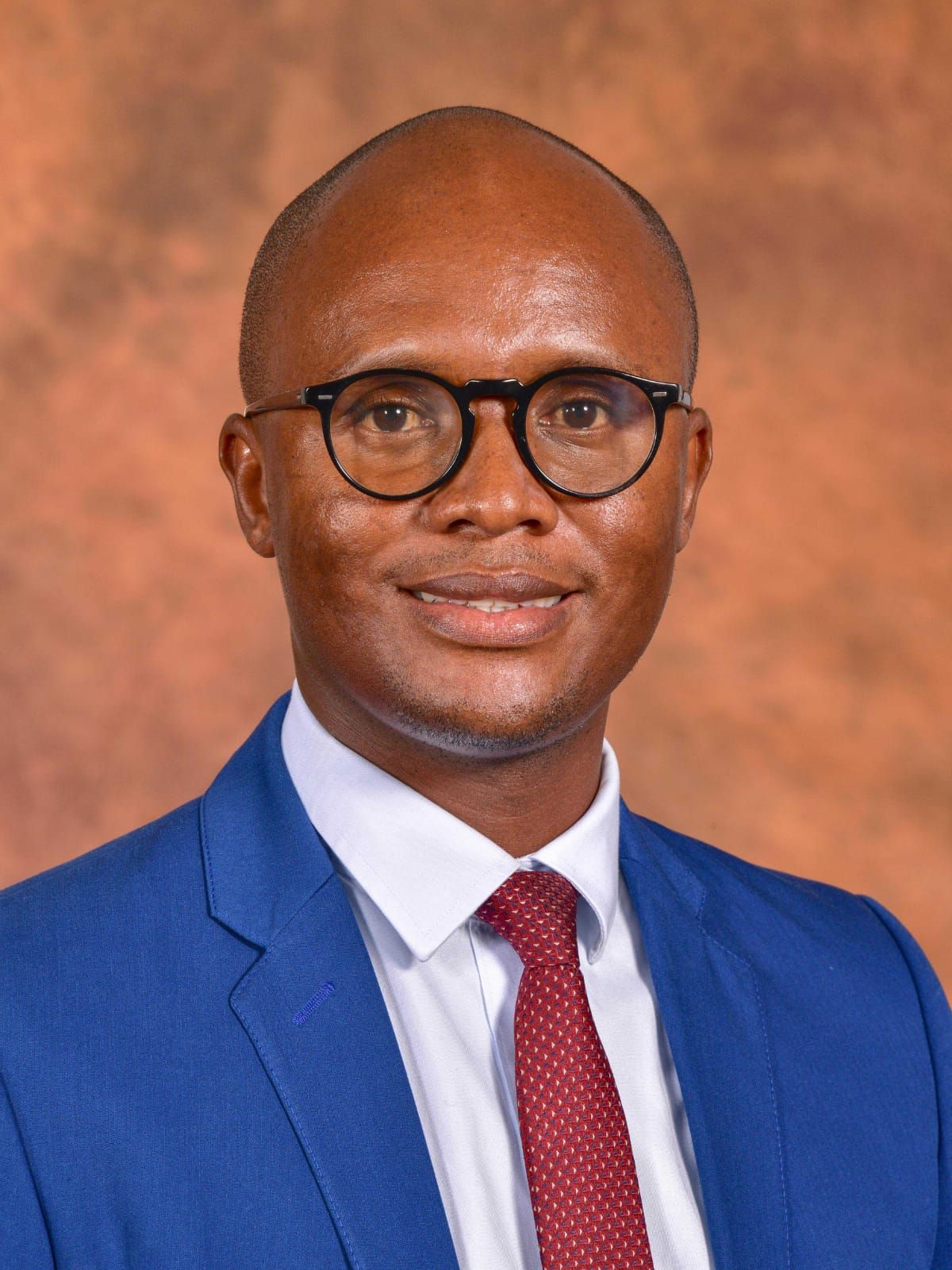
Seven-member specialist panel tasked with delivering a revised artificial intelligence policy draft to Minister Solly Malatsi
By Tsaone Segaetsho
By September 2026, South Africa’s AI policy process is expected to reach a key milestone, with a seven-member specialist panel working to produce a consolidated draft for the Minister of Communications and Digital Technologies.
The panel’s appointment aims to move the country from consultation to a clearer national framework for governing artificial intelligence.
The timing is critical as AI adoption accelerates across business, government, and education, while global policymakers grapple with issues like data use, transparency, accountability, and job impacts.
South Africa faces a dual challenge: enabling innovation and investment while ensuring safeguards keep pace with rapid AI deployment.
The panel is expected to do more than edit existing inputs. Its mandate is to produce a clean, revised policy draft that consolidates competing proposals and recommendations.
From consultation to implementation
The next phase of AI policy is practical: defining accountability for automated systems, data protection rules, transparency requirements, and how government should use AI.
It must also balance opportunity and risk, as AI could boost efficiency and innovation but also disrupt jobs and widen inequality if access to skills and infrastructure remains uneven.
The draft will be closely watched by industry, government, and civil society.
Why the September deadline matters
A finalised draft would give government a shared reference point for regulation and provide certainty for companies investing in AI.
Startups need clarity to scale, while larger firms require predictable rules on data and system use. Government agencies also need consistent principles for deploying AI in public services.
The balancing act
The panel must avoid both overregulation, which could stifle innovation, and weak rules, which could undermine accountability and trust.
It must also align South Africa’s approach with global developments, including stricter EU regulation and emerging African frameworks, without simply copying them.
A policy test for the AI economy
The success of the September draft will depend on whether it turns broad principles into a workable framework.
As AI reshapes industries and public services, the panel’s work could mark South Africa’s shift from debating AI to formally defining how it will be governed.