
The Tesla Pi Phone: How a tech fantasy became an internet farce
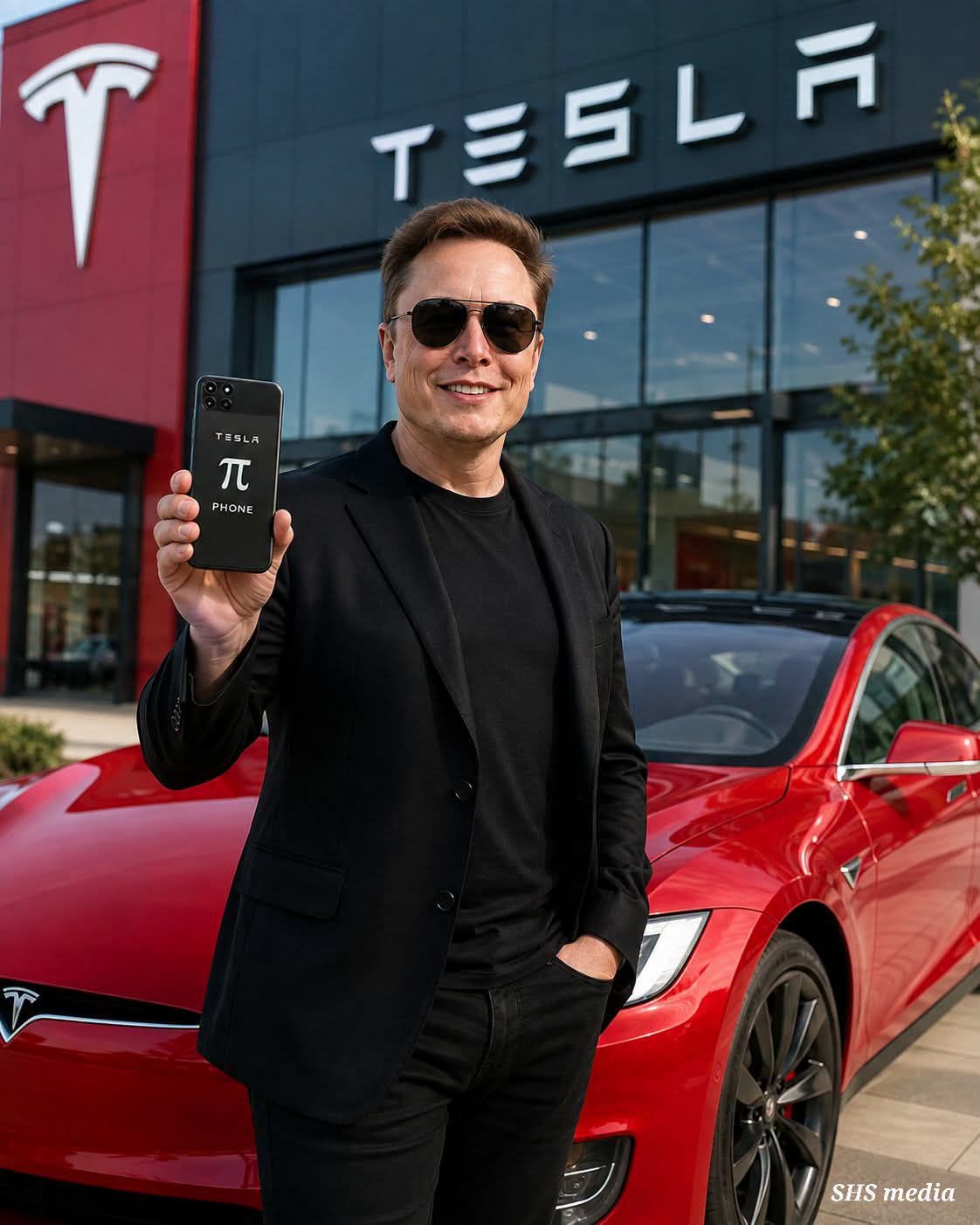
Viral claims about a futuristic Tesla smartphone expose a growing problem in the technology age — where speculation, AI-generated images and clickbait can look remarkably like news The Tesla Pi Phone does not exist. Yet across social media, technology blogs and video platforms, it has been presented as though it were the next major product from Elon Musk's technology empire. For years, the internet has been flooded with claims that Tesla is preparing a smartphone — variously called the Tesla Pi, Model Pi or Tesla Phone — capable of connecting directly to Starlink satellites, charging from sunlight, controlling Tesla vehicles and even interacting with Neuralink. There is just one problem: Tesla has never officially announced such a device. The story is a striking example of how technology misinformation has evolved. Unlike traditional hoaxes, today's technology rumours often arrive wrapped in convincing product photographs, elaborate specifications, purported launch prices and polished videos that make fictional products appear almost ready for the shelves. The Tesla Pi Phone has become one of the most persistent examples. From speculation to supposed product The idea of a Tesla smartphone is not entirely absurd. Musk controls companies involved in electric vehicles, artificial intelligence, satellite communications and space technology. Tesla vehicles are highly connected, while SpaceX's Starlink network is increasingly moving into mobile communications. That technological convergence has provided fertile ground for speculation. Online posts have claimed that a Tesla phone would use Starlink for global internet access, operate without conventional mobile networks, feature solar charging and integrate with Tesla vehicles. Some versions have even assigned the imaginary phone a specific price and release date. But none of those claims amount to a Tesla product announcement. Musk has previously dismissed the idea of Tesla developing a phone, although he has suggested that circumstances could theoretically change if Apple or Google imposed severe restrictions on Tesla's access to their platforms. That distinction is important. Discussing a hypothetical product is not the same as developing one. The AI-powered rumour machine The Tesla Pi story also illustrates a broader challenge confronting the technology industry: artificial intelligence has dramatically lowered the cost of manufacturing convincing misinformation. A decade ago, a fake product story might have required crude Photoshop work and a poorly written blog post. Today, generative AI can produce a sophisticated-looking smartphone, a fictional specification sheet, a promotional video and a persuasive voice-over within minutes. The result is an information environment in which consumers increasingly struggle to distinguish between an official product announcement and an imaginative rendering. The Tesla Pi Phone fits perfectly into this ecosystem. A futuristic-looking handset appears on a social-media feed. A headline announces a price of $789. A video claims the device is “finally launching”. Another website repeats the claim. Soon, repetition itself begins to look like confirmation. It isn't. Why the story keeps coming back The durability of the Tesla phone rumour says as much about the internet economy as it does about Tesla. Tesla is one of the world's most recognisable technology brands, while Musk has cultivated an enormous online following. Any suggestion of a new Tesla product is therefore highly clickable. A fictional phone can generate advertising revenue, social-media engagement and YouTube views even when there is no underlying product. The economics are simple: attention is valuable, and technology rumours attract attention. That creates an incentive for publishers and content creators to turn speculation into apparent fact. Starlink adds fuel to the fire The expansion of Starlink's mobile connectivity has made the Tesla-phone narrative even more believable
Comments ()