
ZARU puts the rand on-chain as regulation tests its business case
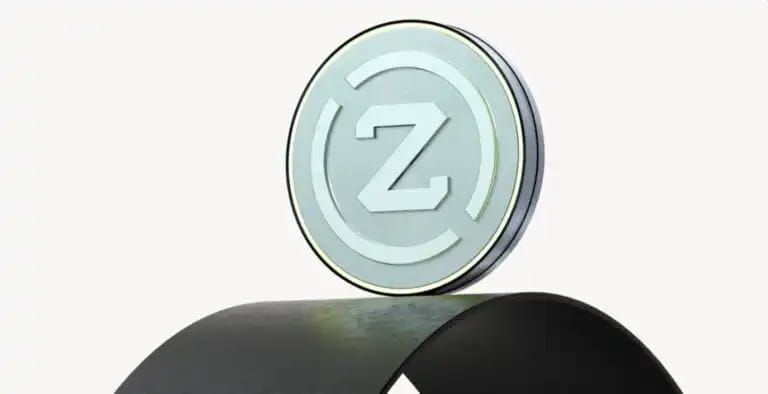
JOHANNESBURG — South Africa’s digital-asset market has gained a new rand-to-dollar trading route, but the timing could prove challenging for the businesses ZARU is targeting. BlockTower, the issuer of the rand-backed ZARU stablecoin, announced that Luno has listed ZARU/USDT and ZARU/USDC, giving the rand a continuous order-book market against major dollar stablecoins. The pairs are initially available to customers in South Africa, Nigeria, Kenya and Uganda. For businesses, the significance goes beyond cryptocurrency trading. BlockTower is positioning ZARU as infrastructure for corporate treasuries, trading desks and cross-border payments, allowing rand-denominated value to move on blockchain rails around the clock. But South Africa’s evolving exchange-control framework could limit that opportunity. A draft Crypto Asset Manual published by National Treasury and the South African Reserve Bank on 3 August proposes restrictions on resident companies conducting certain cross-border crypto transactions. That creates a regulatory tension: the market infrastructure is becoming more sophisticated just as the rules governing its use are being tightened. ZARU’s market maker, Currency Hub, will provide two-way liquidity for the new trading pairs, while ZARU reserves are managed by Sanlam Specialised Asset Management and independently attested monthly. The bigger test now is whether South African companies will be allowed to use this emerging digital FX infrastructure for international trade and treasury management — or whether regulation will confine the rand stablecoin largely to the domestic market.
Comments ()